

Viral Exanthems of Childhood
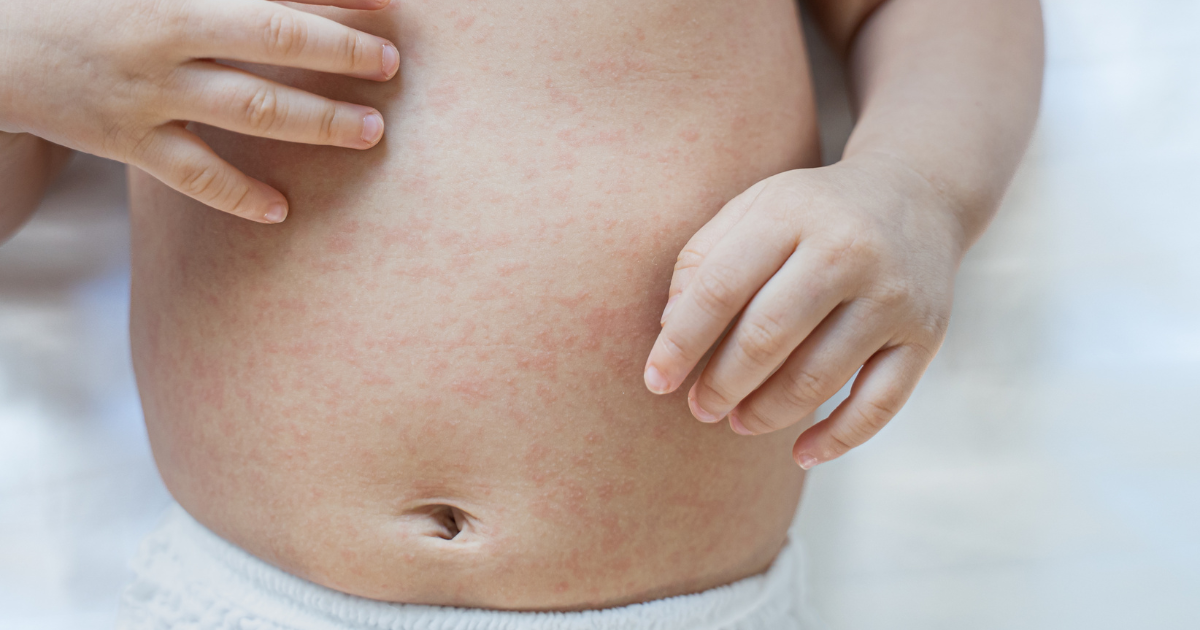
The symptoms of a viral infection vary depending on the virus and, in many cases, may include the appearance of rashes. These often present as red spots or pimples on the trunk, which typically fade when pressed. Usually, they resolve without scarring within a few hours or days.
The rash alone is rarely concerning unless it is accompanied by other serious symptoms. In most cases, no treatment is needed, although mild soap-free cleansers, moisturizers, or creams with corticosteroids and anti-inflammatory ingredients may be used to relieve itching.
In infants and young children, rashes are usually harmless and are often caused by common viral infections. Contact a doctor if your child has additional concerning symptoms or if the rash does not fade with pressure (petechiae).
- Specialized Diagnosis and Management
- Guidance including hydration, soothing products, and prevention of secondary infections
Individualized medical care, from self-care advice to targeted dermatological treatment based on severity
Measles
Measles is caused by a virus spread via respiratory droplets, from 4 days before to 7 days after rash onset. Symptoms appear 10–12 days post-exposure and include runny nose, cough, fever, malaise, and red spots in the mouth (often hard to detect).
A rash then develops starting on the face and behind the ears, spreading to the trunk and limbs and lasting around 5 days.
Complications may arise, particularly involving the respiratory or central nervous system. Thanks to mandatory vaccination, cases are now rare.
Rubella
Rubella is a viral illness spread through respiratory droplets. It is characterized by a pink maculopapular rash beginning on the face and spreading to the trunk, often accompanied by swollen lymph nodes. The rash resolves within two days, but lymph node swelling may persist for weeks.
Possible complications include arthritis (mainly in girls), mild thrombocytopenia, and post-infectious encephalopathy.
Vaccination is important not only to reduce childhood cases but also to protect women of reproductive age, as rubella infection during pregnancy can lead to congenital abnormalities (congenital rubella syndrome).
Chickenpox
Chickenpox is characterized by fluid-filled blisters appearing on various parts of the body, which then burst, dry out, and are accompanied by intense itching. It is caused by the varicella-zoster virus, with an incubation period of 7–21 days. Soothing lotions can help relieve itching.
This virus causes two distinct clinical presentations:
- Chickenpox is the primary infection, transmitted mainly via the respiratory tract. It initially causes moderate fever and runny nose, followed by vesicular rash appearing in crops on the skin and mucous membranes (mouth) over 3–4 days. By day 5, the blisters crust over. Scarring is rare unless lesions become secondarily infected.
- Herpes zoster (shingles) represents reactivation of a past infection. The virus remains dormant in the nervous system and can reactivate, causing painful blisters along the affected nerve’s distribution.
Molluscum Contagiosum
This viral skin infection presents with small, pink, raised bumps known as “pearly papules.”
Although it usually resolves on its own, it is contagious and precautions should be taken to prevent transmission.
Erythema Infectiosum (Fifth Disease)
Also known as “slapped cheek syndrome,” this common childhood viral illness is caused by parvovirus B19 and spread through respiratory secretions or saliva.
Key symptom: bright red cheeks and a rash that may extend to the neck, trunk, and limbs, typically sparing the palms and soles.
The illness begins with mild cold-like symptoms, followed by the characteristic lace-like rash.
Itching may be managed with soothing creams. Symptoms usually resolve within two weeks without specific treatment.
Protect the child’s skin from sun exposure, and consult a doctor if serious underlying conditions are present.
Roseola Infantum (Sixth Disease)
Roseola is a common viral infection in children under 2 years old, caused by a herpesvirus and transmitted through respiratory droplets — often from asymptomatic carriers.
It begins with high fever (often over 39.4°C) lasting 3–5 days, sometimes with sore throat, runny nose, or cough. Neck lymph nodes may swell.
After the fever subsides, a rash appears on the chest, back, and abdomen, possibly spreading to the neck, limbs, and occasionally the face.
The rash is painless, usually non-itchy, and lasts from hours to a few days.
Children may also be irritable, have mild diarrhea, reduced appetite, or swollen eyelids.
Use antipyretics for fever relief and ensure hydration (water or breast milk). Lukewarm baths and cool compresses on the forehead can also help. Rest is essential for recovery.
Hand, Foot, and Mouth Disease
Most common in summer, this is caused primarily by the Coxsackie A16 virus and is spread through respiratory droplets.
Symptoms include fever and vesicular rashes on the mouth, palms, soles, and occasionally the buttocks or genitals.
Handwashing with soap and water and avoiding shared items are crucial. Children should stay home until the rash resolves, as the disease is contagious during this time.